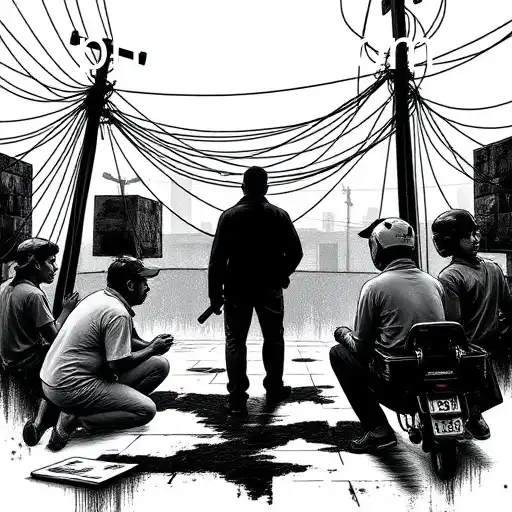
The Complex Web of Jueteng and the Mysterious FB777
Introduction to Jueteng
Jueteng is a widely popular yet illegal numbers game in the Philippines, deeply rooted in the country's socio-economic fabric. This simple lottery game, requiring players to pick two numbers from 1 to 37, has grown into a significant under-the-radar business, running parallel to the nation's legal gambling operations.
The Modus Operandi of Jueteng
The operation of Jueteng involves several key players: the cabo, kubrador, and an intricate network of bettors and financiers. It begins with the kubrador, or bettors' agent, who collects bets from the public. Their role is pivotal as they are on the frontline, interacting directly with the betting public. Then comes the cabo, who organizes the bets and liaises with the central operator. Despite its illegality, Jueteng is organized with a level of sophistication that rivals legal gambling institutions.
Economic Impact and Social Implications
The allure of Jueteng lies in its promise of instant wealth with minimal investment, which appeals to the economically disadvantaged—targeting primarily low-income households who see it as a form of hope. The economic windfall for winners, intriguing as it is, must be juxtaposed with community impacts where income that could have been spent on more sustainable ventures is often gambled away. While it provides temporary employment opportunities for those involved in its operations, it also perpetuates a cycle of poverty and dependency.
Efforts to Combat Jueteng
Combating Jueteng has historically proven difficult due to its deep entrenchment in the socio-political landscape and the vast sums of money involved that can lead to corruption. Government agencies have, for years, played a cat-and-mouse game with Jueteng operators. High-profile cases have been documented, with numerous officials accused of protecting operators for financial gain.
The Enigma of FB777
The mention of FB777 in the context of Jueteng adds another layer of intrigue to this complex picture. There are rumors and speculations about this mysterious entity or person, often linked to the operations' illicit backgrounds within various regions. While concrete evidence about FB777's precise involvement remains sparse, whispers about such entities highlight the ever-evolving nature of these illegal operations.
Evolving with Technology
As technology evolves, so do the operations of Jueteng. Modern jueteng operations have reportedly metamorphosed, incorporating digital tools to bypass law enforcement efforts. The advent of mobile technology and encrypted communication channels has made detecting and dismantling these networks significantly more challenging for authorities.
The Cultural Entanglement
Jueteng's resilience can also be attributed to its cultural entrenchment. Historically seen as more than just a game, it reflects the aspirations and struggles of many Filipinos. Despite the national and local government's repeated crackdowns, the game’s widespread popularity and acceptance within certain communities make it a persistent societal phenomenon.
Questions Around Regulation
Given its impact, there has been much debate about the potential legalization and regulation of Jueteng as a governmental strategy to mitigate its negative ramifications. Advocates suggest regulation could enable government oversight, reduce corruption, and redirect funds into public services. Detractors argue it could increase addiction rates and that competition with government-sanctioned lotteries could be detrimental.
The Role of the Public and Media
Public awareness and media coverage are crucial in addressing the Jueteng issue. Investigative journalism has been instrumental in uncovering networks and exposing corruption. Moreover, media campaigns focused on education and awareness aim to shift public perceptions and promote more sustainable economic practices.